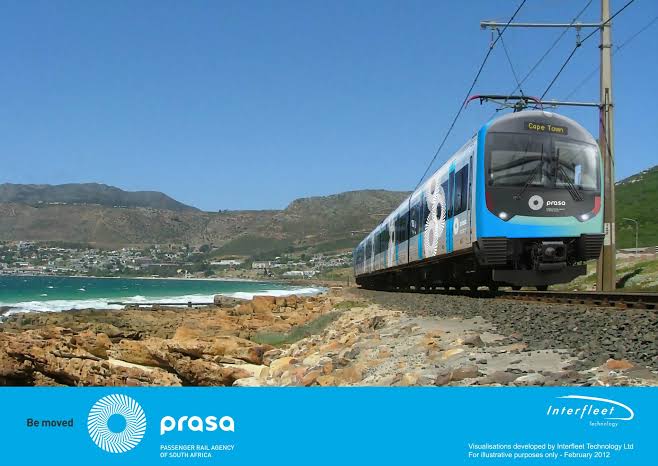

The Passenger Rail Agency of South Africa (PRASA) stands as a monumental entity, tasked with the herculean responsibility of orchestrating the nation’s commuter rail network. More than just a transport provider, PRASA is a vital artery, connecting communities, facilitating economic activity, and shaping the daily lives of millions. Yet, this critical infrastructure faces a complex tapestry of challenges, demanding innovative solutions and a resolute commitment to transformation.
The Backbone of Commuter Mobility: Engineering and Technical Expertise
At the heart of PRASA’s operations lies a cadre of dedicated rail engineers and technicians. These individuals are the guardians of the rail network, ensuring its safety, reliability, and efficiency. The demands placed upon them are immense, requiring a blend of technical prowess, meticulous attention to detail, and a deep understanding of complex systems.
Their responsibilities extend far beyond routine maintenance. They are the architects of modernization, tasked with designing and implementing upgrades to tracks, signaling systems, and rolling stock. This involves navigating intricate engineering challenges, adhering to stringent safety standards, and adapting to the evolving needs of a growing population.
Engineering Excellence: A Multifaceted Endeavor
- Infrastructure Integrity: Rail engineers are pivotal in maintaining the integrity of the rail infrastructure. This includes conducting thorough inspections to identify potential defects, overseeing track repairs and replacements, and ensuring that bridges and tunnels remain structurally sound. They are the first line of defense against infrastructure failures that could disrupt services and compromise safety.
- Signaling and Communication Systems: Modern rail networks rely on sophisticated signaling and communication systems to ensure safe and efficient train operations. Engineers specializing in these areas are responsible for designing, installing, and maintaining these systems. They must stay abreast of the latest technological advancements and implement solutions that enhance safety and operational efficiency.
- Rolling Stock Management: The maintenance and repair of rolling stock (trains) is a critical aspect of PRASA’s operations. Technicians and engineers work tirelessly to ensure that trains are in optimal condition, performing routine inspections, troubleshooting mechanical and electrical issues, and carrying out major overhauls. Their expertise is essential for ensuring the reliability and safety of the passenger fleet.
- Modernization and Innovation: PRASA is committed to modernizing its rail network to improve service quality and enhance passenger experience. This involves implementing new technologies, upgrading infrastructure, and introducing innovative solutions. Engineers play a crucial role in driving this modernization effort, developing and implementing projects that contribute to the long-term sustainability of the rail network.
Cultivating Future Talent: PRASA’s Internship Program
Recognizing the importance of nurturing future talent, PRASA offers an internship program that provides aspiring professionals with invaluable hands-on experience in the rail industry. This program serves as a bridge between academia and the professional world, allowing interns to apply their knowledge and skills in a real-world setting.
A Platform for Growth and Development:
- Practical Application of Knowledge: Interns have the opportunity to translate theoretical knowledge into practical skills, gaining a deeper understanding of the complexities of rail operations. They are immersed in the day-to-day activities of PRASA, working alongside experienced professionals and contributing to real projects.
- Skill Enhancement: The internship program is designed to enhance a wide range of skills, including research and analysis, project management, communication, and teamwork. Interns are exposed to various aspects of the rail industry, allowing them to develop a well-rounded skillset that is highly valued in the job market.
- Networking Opportunities: Interns have the chance to build valuable connections with professionals within PRASA and the broader rail industry. These connections can open doors to future career opportunities and provide access to mentorship and guidance.
- Industry Exposure: The internship program provides interns with a comprehensive understanding of the passenger rail industry, its challenges, and its opportunities. This exposure can broaden their career horizons and help them make informed decisions about their future paths.
- Contributing to National Development: By participating in PRASA’s internship program, interns are contributing to the development and improvement of South Africa’s passenger rail transportation system. They are playing a vital role in ensuring that millions of commuters have access to safe, reliable, and affordable transportation.
Internship Responsibilities: A Glimpse into the World of Rail
- Research and Analysis: Interns are tasked with conducting research and analyzing data related to various aspects of rail operations, infrastructure, safety, and customer service. This involves gathering information from diverse sources, interpreting data, and presenting findings in a clear and concise manner.
- Project Management Support: Interns assist in the planning, implementation, monitoring, and evaluation of projects aimed at improving rail services. This involves collaborating with project teams, tracking progress, and ensuring that projects are completed on time and within budget.
- Operational Engagement: Interns gain hands-on experience by participating in day-to-day operational activities, such as ticketing, scheduling, customer inquiries, and station management. This provides them with a practical understanding of the challenges and opportunities associated with running a large-scale rail network.
- Reporting and Documentation: Interns contribute to the preparation of reports, presentations, and other documentation that communicate project updates, research findings, and operational performance. This involves ensuring accuracy, clarity, and timeliness in delivering information.
- Cross-Functional Collaboration: Interns work closely with various departments within PRASA, fostering collaboration and knowledge sharing. This provides them with a holistic understanding of the organization and its operations.
- Industry Awareness: Interns are encouraged to stay informed about the latest trends, advancements, and best practices in the passenger rail sector. This involves attending industry events, reading relevant publications, and engaging in discussions with professionals.
Essential Qualities for Success:
- Educational Foundation: Candidates for PRASA’s internship program typically possess or are in the process of obtaining a degree or diploma in a relevant field, such as transportation management, engineering, business administration, or communications.
- Analytical Prowess: Strong analytical and problem-solving skills are essential for interns to effectively conduct research, analyze data, and present findings.
- Communication Proficiency: Excellent verbal and written communication skills are crucial for collaborating with team members and stakeholders.
- Technical Aptitude: Proficiency in Microsoft Office Suite and familiarity with project management tools are highly desirable.
- Proactive Approach: Interns are expected to demonstrate initiative, adaptability, and the ability to work independently and as part of a team.
- Passion for Rail: A genuine interest in the passenger rail industry and a desire to contribute to its improvement are essential qualities for success.
Addressing the Challenges: A Path to Transformation
PRASA faces a multitude of challenges, including aging infrastructure, financial constraints, and operational inefficiencies. Overcoming these challenges requires a comprehensive and multifaceted approach that addresses both immediate needs and long-term sustainability.
Key Areas of Focus:
- Infrastructure Renewal: Investing in the modernization and renewal of rail infrastructure is crucial for improving service quality and enhancing safety. This includes upgrading tracks, signaling systems, and rolling stock.
- Financial Sustainability: PRASA needs to address its financial challenges by improving revenue generation, controlling costs, and securing sustainable funding.
- Operational Efficiency: Enhancing operational efficiency is essential for improving service reliability and reducing delays. This involves optimizing scheduling, improving maintenance practices, and leveraging technology to streamline operations.
- Safety and Security: Ensuring the safety and security of passengers and staff is a top priority. This involves implementing robust safety protocols, investing in security measures, and fostering a culture of safety.
- Customer Experience: Improving the customer experience is essential for attracting and retaining passengers. This involves providing reliable and comfortable services, enhancing communication, and addressing customer feedback.
- Technological Advancement: Embracing technological advancements is crucial for modernizing the rail network and improving operational efficiency. This includes implementing digital signaling systems, automated fare collection systems, and real-time passenger information systems.
- Human Capital Development: Investing in the training and development of employees is essential for building a skilled and motivated workforce. This includes providing opportunities for continuous learning, promoting a culture of innovation, and attracting and retaining top talent.
A Vision for the Future: A Connected and Prosperous South Africa
PRASA’s vision is to create a world-class passenger rail network that connects communities, drives economic growth, and enhances the quality of life for all South Africans. Achieving this vision requires a collective effort from all stakeholders, including government, industry, and the public.
By investing in infrastructure, embracing innovation, and fostering a culture of excellence, PRASA can transform South Africa’s commuter rail network into a reliable, efficient, and sustainable mode of transportation. This will not only improve the lives of millions of commuters but also contribute to the economic development and social progress of the nation.
Engineering Technician Role at PRASA CRES
The backbone of any functional society rests upon its robust infrastructure, and within South Africa, the Passenger Rail Agency of South Africa (PRASA) plays a pivotal role in ensuring the seamless operation of its vital rail network. A critical component of this endeavor lies within the PRASA Corporate Real Estate Solutions (CRES) division, specifically within the South Gauteng Region. Currently, there’s an opportunity for two highly motivated individuals to join the team as Engineering Technicians specializing in Building, Building Science, or Civil Engineering, working on a fixed-term contract for 12 months. This article aims to comprehensively explore the nuances of this role, delving into its responsibilities, requirements, and the broader context within which it operates.
Understanding PRASA CRES and the Significance of Facilities Management
PRASA CRES is responsible for the management and maintenance of the agency’s vast real estate portfolio. This encompasses a diverse range of assets, including train stations, bridges, structural elements, bulk service provisions, and supporting properties. The effectiveness of this division directly impacts the safety, reliability, and overall passenger experience of the rail network.
The Facilities Management Department within PRASA CRES is the operational heart of this mission. It’s tasked with ensuring the continuous functionality and upkeep of these critical assets. This department’s mission is multifaceted, requiring a blend of technical expertise, administrative acumen, and a deep understanding of the unique challenges posed by the rail environment.
The Engineering Technician: A Vital Cog in the Infrastructure Machine
The Engineering Technician role within this context is far from a mere administrative position. It demands a proactive and hands-on approach, bridging the gap between theoretical knowledge and practical application. These individuals are the eyes and ears on the ground, ensuring that maintenance and development projects are executed to the highest standards.
Key Responsibilities: A Detailed Examination
The core duties of the Engineering Technician can be broken down into several key performance areas (KPAs), each demanding specific skills and competencies:
- Contract/Project Management & Administration:
- This aspect of the role involves assisting in the management of contracts and projects related to facilities maintenance and upgrades.
- It includes tasks such as preparing documentation, tracking project progress, and ensuring compliance with contractual obligations.
- The technician will be involved in coordinating with contractors, suppliers, and internal stakeholders, ensuring smooth communication and efficient project execution.
- This also involves the administrative duties that pertain to the project, such as filling out paperwork, creating reports, and keeping records.
- Understanding of procurement methods is essential for the effective management of contracts.
- Providing Facilities Management Support Services:
- This encompasses a wide range of activities aimed at ensuring the smooth operation of PRASA’s facilities.
- It may involve responding to maintenance requests, troubleshooting technical issues, and coordinating repairs.
- The technician will be expected to conduct regular inspections, identify potential problems, and implement preventative measures.
- This also includes responding to emergencies and ensuring the safety of the public.
- Performing Site Supervision and Quality Control:
- This is a crucial aspect of the role, requiring the technician to be present on-site to oversee construction and maintenance activities.
- They will be responsible for ensuring that work is carried out according to specifications and quality standards.
- This involves conducting inspections, verifying materials, and ensuring adherence to safety regulations.
- The ability to identify defects and take corrective action is essential.
- This also includes documenting the progress of the work and providing reports to the project manager.
- Asset Condition Assessment:
- Regular assessments of PRASA’s infrastructure assets are essential for proactive maintenance and long-term planning.
- The technician will be involved in conducting these assessments, identifying areas of deterioration, and recommending appropriate remedial actions.
- This requires a thorough understanding of building materials, structural principles, and maintenance techniques.
- The ability to use specialized equipment for testing and inspection is a plus.
- This also includes the ability to accurately record and report findings.
- Providing Technical Support:
- The technician will serve as a technical resource for the Facilities Management Department, providing guidance and support to other team members.
- This may involve interpreting technical drawings, providing advice on maintenance procedures, and assisting with problem-solving.
- A strong understanding of civil engineering principles and building science is essential for this aspect of the role.
- The ability to communicate technical information clearly and effectively is crucial.
- This may also include the training of other staff members.
Essential Qualifications and Experience: The Foundation for Success
To effectively perform these duties, candidates must possess a solid foundation of technical knowledge and practical experience. The minimum requirements for this position are:
- National Diploma in Civil Engineering, Building, or Building Science: This qualification provides the theoretical foundation necessary for understanding the principles of construction, maintenance, and infrastructure management.
- Grade 12 Certificate: This is a standard educational requirement for most technical positions.
- Valid Code 08 Driver’s License: This is essential for site visits and transportation within the South Gauteng Region.
- Minimum 2 Years’ Experience: This includes one year as a trainee Engineering Technician and one year of working experience. This experience allows the candidate to gain practical skills and apply their theoretical knowledge in a real-world setting.
The Importance of Soft Skills: Beyond Technical Expertise
While technical skills are paramount, success in this role also requires a range of soft skills, including:
- Communication Skills: The ability to communicate effectively with colleagues, contractors, and stakeholders is essential for coordinating projects and resolving issues.
- Problem-Solving Skills: The technician will be faced with a variety of challenges, requiring them to think critically and develop creative solutions.
- Organizational Skills: The ability to manage multiple tasks, prioritize workloads, and maintain accurate records is crucial for efficient project management.
- Teamwork: The technician will work as part of a team, requiring them to collaborate effectively and contribute to a positive work environment.
- Attention to Detail: Accuracy and attention to detail are essential for ensuring quality control and compliance with regulations.
- Safety Awareness: A strong commitment to safety is crucial in the rail environment, where hazards are prevalent.
The South Gauteng Region: A Unique Operating Environment
The South Gauteng Region presents a unique set of challenges and opportunities for the Engineering Technician. This region is characterized by a high volume of rail traffic, a diverse range of infrastructure assets, and a dynamic urban environment. The technician will need to be adaptable and resourceful, able to navigate these complexities and ensure the efficient operation of PRASA’s facilities.
The Fixed-Term Contract: A Stepping Stone to Growth
The 12-month fixed-term contract provides a valuable opportunity for individuals to gain experience in the rail industry and contribute to the maintenance of critical infrastructure. This contract can serve as a stepping stone to further career advancement within PRASA or other organizations in the engineering sector.
The Application Process: A Guide for Aspiring Technicians
The application process for this position typically involves submitting a comprehensive CV, a cover letter highlighting relevant experience and qualifications, and copies of required certificates. It’s essential to carefully review the job description and ensure that your application addresses all the specified requirements.
The Significance of PRASA’s Mission: Connecting Communities
PRASA’s mission to provide safe, reliable, and affordable rail transportation is essential for connecting communities and driving economic development. The Engineering Technician plays a vital role in supporting this mission by ensuring the maintenance and upkeep of the agency’s infrastructure.
The Future of Rail Infrastructure: A Focus on Innovation
The rail industry is constantly evolving, with a focus on innovation and sustainability. Engineering technicians will need to stay abreast of the latest technologies and best practices to ensure that PRASA’s infrastructure remains modern and efficient.
In Conclusion: A Career Path with Impact
The Engineering Technician role at PRASA CRES offers a challenging and rewarding career path for individuals with a passion for infrastructure management and a commitment to public service. By contributing to the maintenance and upkeep of South Africa’s rail network, these technicians play a vital role in connecting communities and driving economic growth. The role demands a blend of technical expertise, administrative skills, and a strong commitment to safety and quality. Those who are successful in this position will have the opportunity to make a real difference in the lives of millions of South Africans.